SOLARIZE
URGENT ALERT:
Protect your solar rights and the future of solar in Indiana.
GOING SOLAR IN 2023 AND BEYOND
SIREN presents frequent Solarize presentations via Zoom. A link and instructions for accessing the presentation will be sent automatically to anyone who signs up for a session. Go to http://www.tinyurl.com/HelpingYouGoSolar to start.
SIREN and the City of Bloomington partnered on Solarize campaigns for six years, from 2017 until the end of net metering in 2022. Solarize was a group-buy arrangement that reduced costs for all participants through negotiated volume purchases. As of 2023, we judge that the market is sufficiently mature and the solar companies sufficiently responsive that our organizing services are no longer required and we are returning to our roots as educators. We continue to advise on how to go solar, inclufing some groups of homeowners who have negotiated volume discounts for themselves. The City continues to support our efforts.
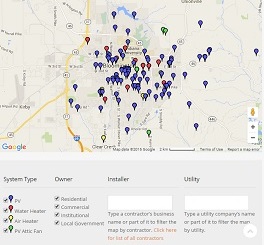
Residents of south central Indiana are already in a leadership role in the Midwest with nearly 1,000 local solar owners. You can learn more about solar energy for your home, school or business by attending a one hour Information Session. To sign up, click here.
ABOUT SIREN
WHO WE ARE
Since 2008, the Solar Indiana Renewable Energy Network (SIREN) has been a leading educator and promoter of renewable energy and energy conservation in the state of Indiana. As a project of the 501 (c) 3 non-profit Center for Sustainable Living (CSL), SIREN is a independent, non-partisan, volunteer-run group with a specific focus on promoting solar power including photovoltaic systems (generating electricity), solar water and space heaters for homes, businesses, churches, governmental buildings, and schools.
In 2016, SIREN organized its first Solarize program in two Bloomington neighborhoods, doubling the number of solar owners with the help of a local youth group, ICEY. Since 2017 we have partnered with the City of Bloomington to organize the Solarize Bloomington campaigns. By the end of 2018, more than 180 homeowners have installed over 1.2 megawatts of solar capacity through this program. Also in 2017, we launched a project, Indiana Solar for All, which has since spun off as an independent organization retaining close ties with SIREN. Visit our SIREN History & Milestones page to learn more about our history. Our origin story is available as a pdf: Solar Success in the Midwest
WHAT WE DO
SIREN’s main activity is presenting free public Going Solar programs at libraries, churches and civic groups. We help people learn about solar and renewable energy because one of the barriers to solar adoption in the Midwest is lack of awareness of its performance, cost and availability.
Additional activities include:
-
- Providing public outreach and education on energy conservation and renewable energy through events such as energy fairs, speaker presentations, films and demonstration projects.
-
- Promoting the adoption of renewable energy systems in our schools and other public buildings.
-
- Facilitating cooperation among renewable energy consumers, system installers, electric utilities and state and local government.
-
- Providing grant writing assistance to community organizations preparing to go solar.
- Visiting homeowners and providing a site pre-assessment of their home’s potential for solar panels, etc.
Donations are welcome from individuals and business supporters who are interested in renewable energy.
If you have a solar energy system in your home, be sure to ask about our “Powered by the Sun” sign!
VOLUNTEER PROFILES
SIREN COMMUNITY
The SIREN community consists of hundreds of Indiana solar owners, installers, presenters, and green allies who communicate with each other by email over the public SIREN forum/mailing list, which you are welcome to join. We also hold informal gatherings where new and old members of the community meet to exchange information. Contact us if you are interested in attending one.
STEERING COMMITTEE
These are the current members of the SIREN Steering Committee.
- Anne Hedin
- Cliff Burk
- Darrell Boggess
- Kathleen Boggess
- Pete Lenzen
- Woodie Bessler
Recent past members of the SIREN Steering Committee include:
- Arvind Gopu
- Chandra Romel
- Jeanne Leimkuhler
- Lavanya Pashikanti
- Rhonda Baird
- Terry Usrey
SOLAR MAP